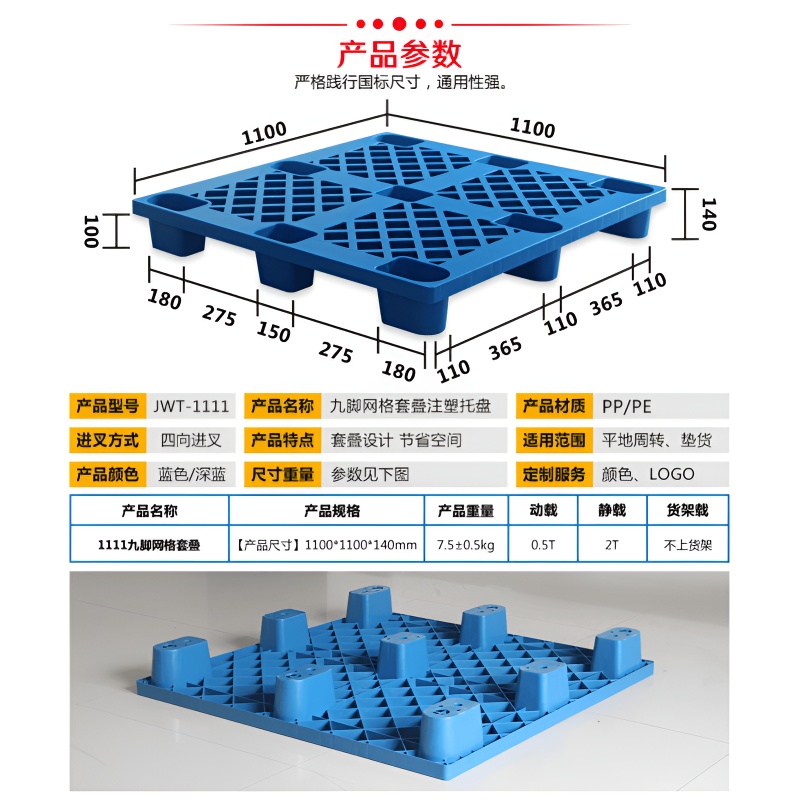
As businesses worldwide prioritize sustainability, eco-friendly plastic pallet box materials have become increasingly popular among suppliers. This shift is driven by rising environmental concerns and the demand for recyclable and biodegradable options. Suppliers are now faced with the challenge of integrating these environmentally friendly materials into their product lines, while still maintaining the quality and durability that customers expect. Understanding how to navigate these changes can help suppliers thrive in a competitive marketplace.
Adopting eco-friendly materials can provide several advantages for suppliers:
Utilizing sustainable materials enhances a brand's reputation, appealing to environmentally conscious consumers.
Many eco-friendly materials can reduce long-term costs through recyclability and durability.
Increasingly stringent environmental regulations make compliance easier with eco-friendly materials.
Here are notable eco-friendly plastic materials gaining traction:
This material reduces landfill waste while producing durable pallet boxes that meet industry standards.
Made from renewable resources, bioplastics like PLA (Polylactic Acid) offer biodegradable options that fit eco-conscious strategies.
This material repurposes plastic bottles, providing robust and sustainable pallet solutions.
Several companies have successfully integrated eco-friendly plastic materials:
Company A reported a 30% increase in sales after introducing a line of eco-friendly pallet boxes made from rPET.
Company B utilized bioplastics, reducing their carbon footprint, and gaining recognition as an industry leader.
To effectively integrate eco-friendly materials, consider these steps:

The future of eco-friendly plastic pallet boxes is promising:
As sustainability becomes a priority, the demand for eco-friendly materials is projected to grow by 20% over the next five years.
Innovative techniques will enhance the strength and durability of eco-friendly materials, making them comparable to traditional plastics.
The shift toward eco-friendly plastic pallet box materials is no longer just a trend; it is becoming a necessity. Suppliers that adapt to these changes not only secure their market positions but also contribute to a sustainable future. By understanding the benefits, key materials, and integration strategies, suppliers can effectively respond to the growing demand for environmentally responsible solutions.