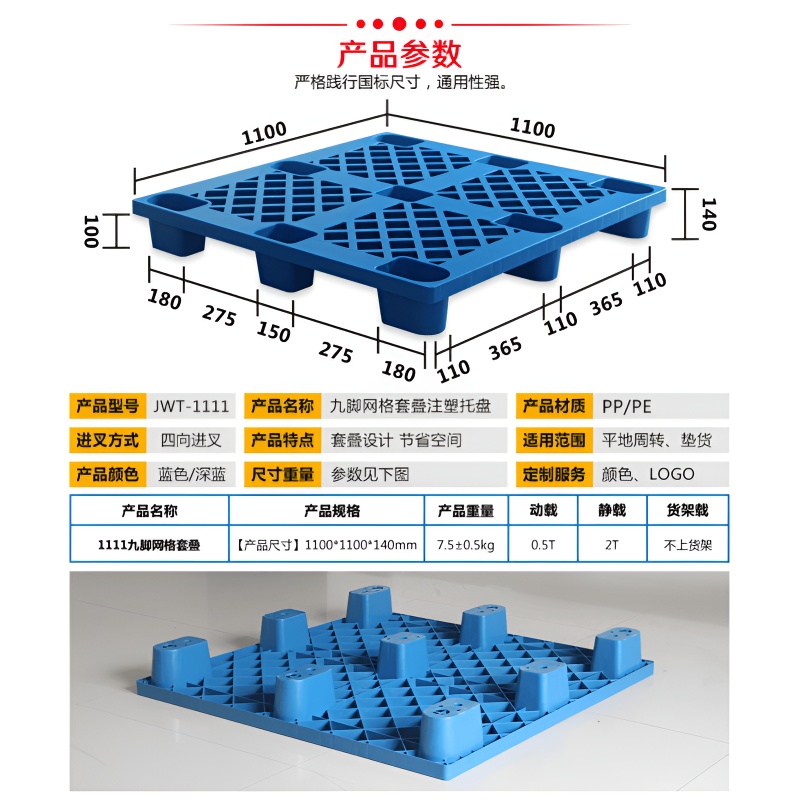
Sustainability certifications are becoming essential for plastic pallet box suppliers looking to improve their market position. As environmental consciousness grows, compliance with these certifications greatly influences buyers' decisions. This article explores how sustainability certifications impact supplier choices, with data-driven insights and practical case studies to illustrate their importance. Understanding these dynamics can help buyers make informed decisions and enhance their supply chain sustainability.
Sustainability certifications play a crucial role in the supply chain of plastic pallet box manufacturers. Here are some key points:
A certification boosts a supplier's credibility by showcasing their commitment to sustainable practices. Buyers increasingly prefer certified suppliers, enhancing trust in products.
Many regions enforce strict environmental regulations. Suppliers with sustainability certifications demonstrate compliance, mitigating risks of legal penalties.
Certifications often open doors to new markets where sustainability is prioritized. This increases competitive advantage and market reach.
Today's consumers prioritize sustainability. Suppliers can attract eco-conscious buyers by adhering to recognized standards of environmental responsibility.
Several prominent sustainability certifications apply to plastic pallet box suppliers. Below is a comparison table of notable certifications:
| Certification | Description | Relevant Standards |
|---|---|---|
| ISO 14001 | Focuses on effective environmental management systems. | International standard |
| FSC Certified | Ensures that materials are sourced sustainably and responsibly. | Forest Stewardship Council |
| Cradle to Cradle | Promotes a circular economy with recyclable materials. | C2C Certification |
| Global Recycled Standard | Encourages the use of recycled materials in production. | GRS Standard |
The presence of sustainability certifications significantly affects how buyers choose suppliers. Here’s how:
Suppliers that adopt sustainable practices reduce their carbon footprint, making them more attractive to environmentally-conscious customers.
Investing in sustainability certifications can yield long-term cost savings by improving efficiency and reducing waste.
Transparent practices aligned with certifications foster better relationships between suppliers and buyers, enhancing collaboration and mutual growth.
Suppliers with certifications can leverage their sustainably-focused marketing strategies to differentiate themselves in a saturated market.
Understanding real-world applications enhances insights into the effects of sustainability certifications. Below are notable examples:
Zobonsol, a leading plastic pallet box supplier, integrated ISO 14001 certification into its operations. This transition resulted in a 30% reduction in waste and a 25% increase in client acquisition based on sustainability preferences.
A survey conducted in 2023 revealed that 75% of distributors prefer suppliers with sustainability certifications. Such data emphasize the increasing demand for compliance in supplier selection.
The trend toward sustainability certifications is reshaping the landscape for plastic pallet box suppliers. By understanding the importance, types, and impacts of these certifications, suppliers can align their strategies to meet the changing demands of the market. This awareness not only enhances brand credibility but also fosters stronger relationships with eco-conscious buyers.