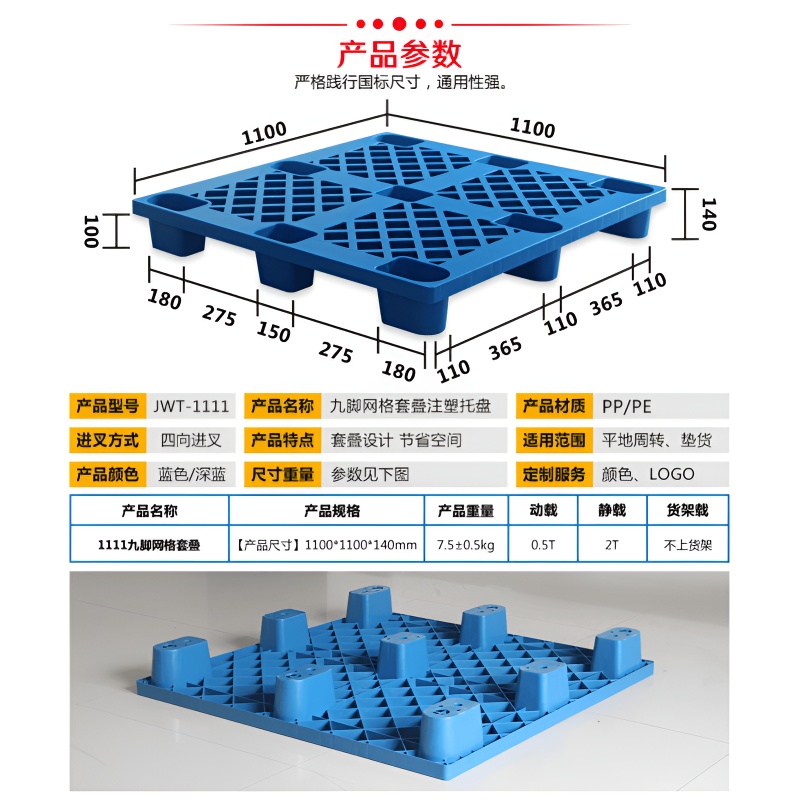
Plastic Pallets vs. Wood Pallets – Total Cost of Ownership Over 5 Years

Understanding the Total Cost of Ownership (TCO)

Defining Total Cost of Ownership

Total Cost of Ownership (TCO) is a critical concept for businesses when evaluating plastic versus wood pallets. It encompasses not just the upfront purchase price, but also maintenance, durability, and the overall lifespan of the pallets.

Key Factors Influencing TCO

  • Initial Purchase Cost
  • Maintenance and Repairs
  • Durability and Lifespan
  • Environmental Impact
  • Operational Efficiency

Core Parameter Comparison: Plastic vs. Wood Pallets

Durability and Lifespan

Plastic pallets provide longer lifespan and resistance to damage, whereas wood pallets may require more frequent replacement due to rot or breakage. Consider the average lifespan:

  • Plastic pallets: 5-10 years
  • Wood pallets: 3-5 years

Cost Breakdown Over 5 Years

A detailed breakdown of costs can highlight significant savings. Here is a brief summary based on average usage:

  • Plastic pallets: Initial cost $100, maintenance ~$10/year
  • Wood pallets: Initial cost $50, maintenance ~$20/year

The total cost for plastic pallets over five years is $150, while wood pallets can reach $150, not accounting for potential replacement costs.

Real-World Applications and User Experience

Stability and Load Capacity

Businesses need pallets that can handle their specific load requirements. Plastic pallets often have better stability and can support heavier loads without risk of breaking.

Environmental Considerations

Plastic pallets are often considered more environmentally friendly in terms of longevity and recyclability when compared to wood. Understanding the source and disposal of materials is essential for eco-conscious businesses.

Pros and Cons Summary

Advantages of Plastic Pallets

  • Longer lifespan and resistance to moisture and pests
  • Less maintenance required
  • 100% recyclable

Disadvantages of Plastic Pallets

  • Higher initial costs
  • Potentially less sustainable if not recycled properly

Advantages of Wood Pallets

  • Lower initial cost
  • Widely available and easily repairable

Disadvantages of Wood Pallets

  • Shorter lifespan and higher maintenance
  • Susceptible to pests and moisture damage

Recommendations for Selecting the Right Pallet Type

Identifying the Right Group for Application

Different industries may benefit from different types of pallets. Consider the following:

  • If consistency and durability are paramount, opt for plastic pallets.
  • For short-term or lower-budget needs, wood pallets may suffice.

Final Thoughts on Choosing Between Plastic and Wood

Ultimately, the choice between plastic and wood pallets should be guided by specific business needs, environmental impact concerns, and cost considerations. By evaluating these factors, organizations can make informed decisions that will benefit their operations in the long run.

Explore durable options from Zobonsol, a trusted Plastic Pallet Manufacturer.

Plastic Pallets vs. Wood Pallets – Total Cost of Ownership Over 5 Years
  • wechat

    Zobonsol: +86 15653445229

Chat with Us