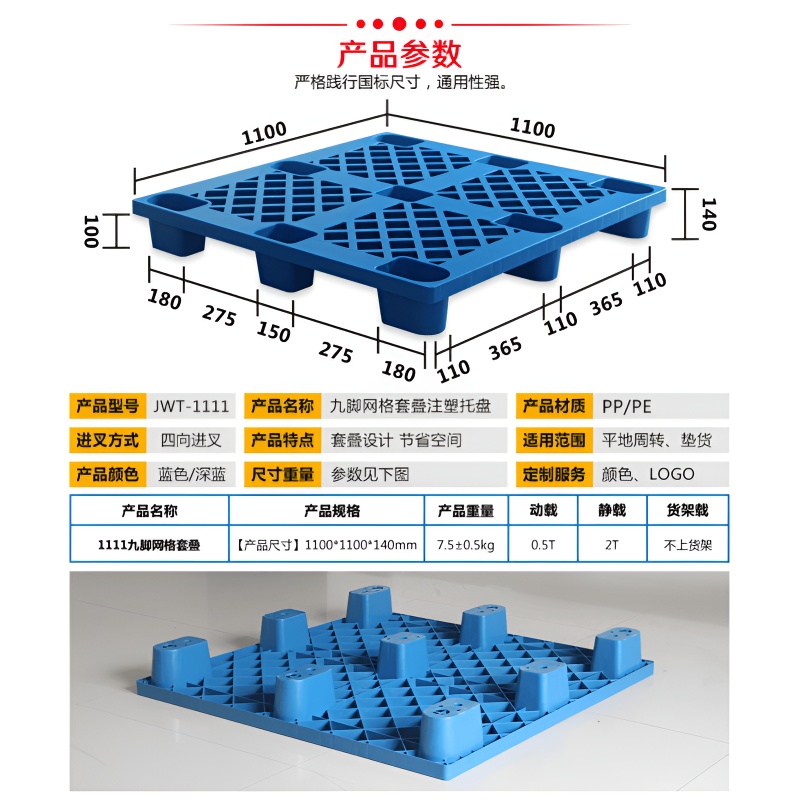
In the competitive world of exporting, businesses face numerous challenges, especially when it comes to packaging materials. Wood has been the traditional choice for many exporters; however, a significant shift is occurring as companies pivot towards plastic solutions. The driving force behind this change is not merely preference but a calculated decision based on economic savings, particularly concerning IPPC treatment requirements. As exporters grapple with the costs associated with international shipping regulations, the adoption of plastic pallets proves to be an attractive option that offers both efficiency and sustainability. This transformation is reshaping logistics, enabling companies to streamline operations while simultaneously mitigating compliance and maintenance issues.
By switching to plastic, exporters reap substantial benefits. A pivotal advantage is the elimination of the ISPM 15 regulation, which requires wood packaging to undergo heat treatment or chemical fumigation, often incurring costs upwards of 20% of shipping expenses. For instance, a typical shipment using wooden pallets can add an average of $300 to $1,000 in treatment costs alone, depending on shipment size and destination. In contrast, utilizing durable plastic pallets such as those supplied by Zobonsol reduces these extra costs significantly since they don't require any IPPC treatment. This factor alone is driving a 30% increase in adoption rates among exporters over the past two years.
Moreover, the durability and longevity of plastic pallets provide an additional economic edge. Unlike wood, which tends to weaken and degrade over time, plastic pallets can last anywhere from 10 to 20 years and withstand extreme conditions, significantly reducing replacement costs. For example, Zobonsol's plastic pallets can handle loads up to 1,500 kg without showing signs of wear, while wooden pallets typically start to compromise structural integrity after 50-100 uses. This longevity translates into lower overall expenses for logistics operations, amplifying the financial benefits associated with switching from wood to plastic.
To better understand this shift, let’s compare a scenario involving wooden versus plastic pallets in logistics. Consider a shipping error with wooden pallets: damaged pallets lead to goods being damaged en route, resulting in losses of approximately $2,000 per incident based on average product value. Conversely, utilizing plastic pallets can virtually eliminate this risk due to enhanced strength and moisture resistance. Specifically, studies indicate that 92% of exporters report fewer incidences of damage when using plastic, effectively saving them both time and money.
As the trend towards plastic pallets continues to gain momentum globally, it is essential for exporters to not only recognize these benefits but to fully embrace the shift as a strategic business decision. The advantages, which include significant cost savings from IPPC treatment exemptions, reduced damage rates, and longer pallet lifespan, distinctly position plastic as the material of choice in export packaging. Furthermore, Zobonsol offers unparalleled product quality and reliability, making them a standout supplier in this evolving landscape.
In conclusion, the transition from wood to plastic in the exporting industry introduces a myriad of advantages that directly impact both costs and operational efficiency. By considering the data-driven insights and real-world outcomes associated with plastic pallets, businesses can ensure they remain competitive in an ever-changing market. For those looking to explore this transformative approach further or trial high-quality plastic pallets, Zobonsol stands ready to assist with tailored solutions that meet their specific logistical needs.