Understanding Moisture Resistance in Pallets
What Makes Moisture Resistance Critical?
Moisture resistance is an essential feature for pallets as it directly impacts product integrity and supply chain efficiency. Both plastic and presswood pallets have different properties that affect their performance in humid or wet conditions.
Core Parameter Comparison
Key Specifications of Plastic and Presswood Pallets
When comparing plastic and presswood pallets, consider the following parameters:
- Weight Capacity: Plastic pallets generally support heavier loads than presswood.
- Durability: Plastic pallets have a longer lifespan compared to presswood due to their resistance to moisture and other environmental factors.
- Chemical Resistance: Plastic pallets are often more resistant to chemicals, making them suitable for various industries.
- Cost: Generallly, plastic pallets are more expensive upfront but may save costs in the long run due to durability.
User Experience and Feedback
Evaluating Real-World Performance
Users have reported their experiences with both types of pallets, highlighting the following:
- Battery Life: Plastic pallets maintain structural integrity over time, while presswood may degrade with moisture exposure.
- Stability: Plastic pallets provide superior stability, preventing shifting during transportation.
- Maintenance: Plastic pallets require less maintenance compared to presswood, which can be prone to damage.
Advantages and Disadvantages
Pros and Cons of Each Pallet Type
It's crucial to weigh the benefits against the drawbacks:
- Plastic Pallets:
Advantages:
- Durable and resistant to moisture.
- Lightweight and easy to handle.
Disadvantages:
- Presswood Pallets:
Advantages:
- Cost-effective option for short-term use.
Disadvantages:
- Sensitive to moisture, which can cause degradation.
- Less durable and shorter lifespan than plastic.
Recommendations Based on Use Cases
Who Should Choose Which Pallet?
Consider the following recommendations based on application:
- Use plastic pallets for industries involving food, pharmaceuticals, or chemicals due to their structural integrity and safety.
- Opt for presswood pallets for light-duty applications or situations where cost is a major concern.
Conclusion: Making an Informed Decision
As a leading Plastic Pallet Manufacturer, Zobonsol advocates for selecting the right pallet for your specific needs. Balancing cost, durability, and functionality will ensure your operation runs smoothly and effectively. For quality plastic pallets, visit 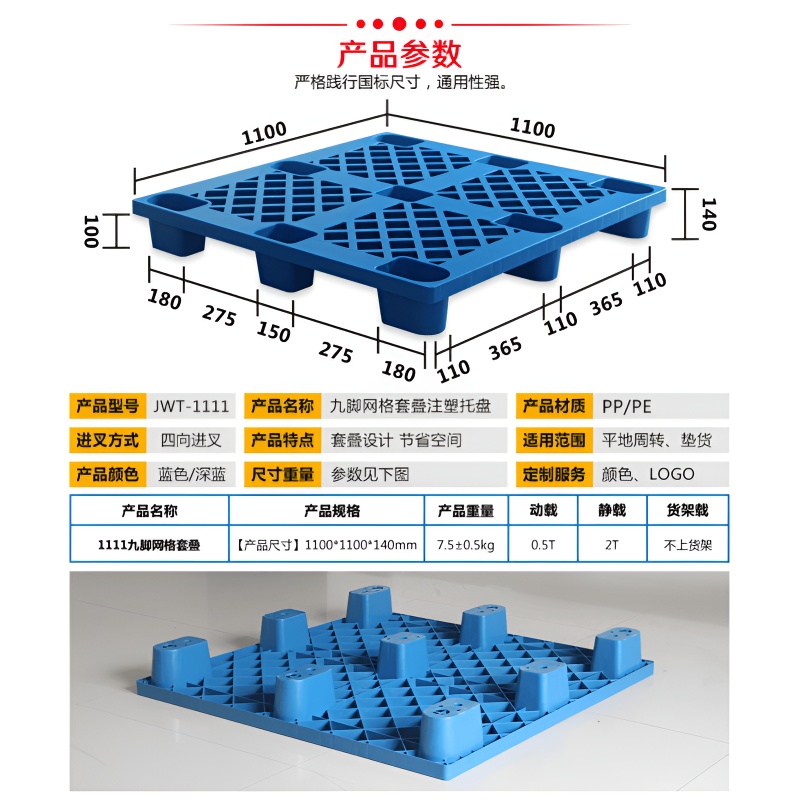 our website to explore more.
 our website to explore more.


